Clothing Vocabulary in Turkish: Common Clothes and Accessories
Clothing Vocabulary in Turkish

Knowing clothing vocabulary in Turkish makes daily conversation easier, especially when talking about what people wear, describing style, shopping, or asking simple questions about size and color. In Turkish, clothes and accessories are often learned as one topic, yet the language also separates them through natural verb choice. That small detail matters. You usually giymek … Read more
Fruits in Turkish: Common Fruit Names with English Meanings

Fruits in Turkish

Learning fruits in Turkish is a practical shortcut into everyday speech. Fruit words show up in markets, breakfasts, recipes, and casual offers like “Would you like some?” Turkish keeps spelling close to sound, so once you learn a few patterns, pronounciation becomes more predictable than in many languages. Key Information Fruit in Turkish is meyve. … Read more

Body Parts in Turkish: Essential Vocabulary with Examples

Body Parts in Turkish

Body parts in Turkish are practical vocabulary: you use them for daily descriptions, polite conversations, and simple phrases that show you understand real Turkish. This page focuses on clear meaning, usable examples, and the suffix patterns that make Turkish feel surprisingly consistent. Quick Navigation Core Words grouped by body area Vocabulary Table with sound hints … Read more

egetables in Turkish: Common Vegetable Names with Examples

Vegetables in Turkish

Knowing vegetables in Turkish is a small skill with a big payoff. It helps with shopping, cooking, and everyday conversations, especially when labels are only in Turkish. This guide keeps the focus on usable vocabulary and clear patterns—the kind that stays in memory. What This Guide Covers Core Turkish vegetable vocabulary with quick pronunciation help … Read more

Colors in Turkish: Basic Color Words and Everyday Usage

Colors in Turkish

Colors in Turkish look simple at first: learn a word, place it before a noun, done. Yet Turkish color terms also act like components. With a few common patterns, you can name shades, describe materials, and speak naturally in daily situations. Overview Word order: color + noun → kırmızı elma (red apple) No agreement: color … Read more

Animals in Turkish: Pet, Farm, and Wild Animal Vocabulary

Animals in Turkish

Animals in Turkish is a practical topic because animal words show up in daily conversation, children’s books, signage, and simple stories. Turkish uses the core noun hayvan (“animal”), and the plural is hayvanlar. Once a few patterns click—especially plural endings and the Turkish alphabet—new animal names stop feeling like a list and start feeling like … Read more

100 Essential Turkish Words Every Beginner Should Learn First

100 Essential Turkish Words (2)

Turkish becomes far less intimidating when you hold a small set of high-frequency words and everyday phrases in your mind. This page gives a clean, practical list of 100 essential Turkish words, grouped by real-life situations, with simple pronunciation hints you can use right away. What This List Covers Greetings and polite essentials Core questions … Read more

Shopping Phrases in Turkish for Stores, Markets, and Price Questions

Shopping Phrases in Turkish

Shopping in Türkiye is usually friendly, quick, and full of small choices—size, color, price, and payment. A few Turkish shopping phrases can turn a confusing moment into an easy exchange. This page focuses on practical lines you can use in malls, small shops, and open-air markets, plus short notes on politeness and pronunciation. Quick Shopping … Read more

Common Turkish Idioms with Meanings and Everyday Examples

Common Turkish Idioms

Turkish idioms are called deyimler, and they work like compact “meaning capsules” inside the Turkish language. Learn a handful of common Turkish idioms and everyday speech starts to feel less like a riddle and more like a familiar street sign. Some idioms sound funny when translated word-for-word, yet their message is precise, human, and memorable—almost … Read more

Common Turkish Proverbs and Their Meanings in Everyday Life

Common Turkish Proverbs

Common Turkish proverbs are short, memorable sentences used to express practical wisdom in everyday life. In Turkish, a proverb is called atasözü (plural: atasözleri), and it often acts like a pocket-sized compass: one line, clear direction. For language learners, Turkish proverbs improve listening, build cultural awareness, and add natural rhythm to speech. For readers who … Read more

Essential Travel Phrases in Turkish for Tourists and Beginners

Travel Phrases in Turkish

Turkish travel phrases are like a small key that opens many doors: a warmer greeting, quicker help, smoother payments, and fewer awkward pauses. This guide is built for real travel moments—airports, hotels, restaurants, transport, and emergencies. The focus stays practical, clear, and polite. How To Read Turkish Fast Turkish is mostly phonetic: letters usually sound … Read more

Romantic Turkish Phrases for Love, Affection, and Flirting

Romantic Phrases in Turkish

In Turkish, romantic phrases often sound direct yet soft. The language leans on vowel harmony, affectionate suffixes, and short everyday words that carry a lot of feeling. Used well, Turkish love phrases can feel like a warm note slipped into a pocket—simple, personal, and easy to remember. Fast Use Guide Safe, everyday choices: “Seni seviyorum”, … Read more

Polite Turkish Expressions for Everyday Conversations

Polite Expressions in Turkish

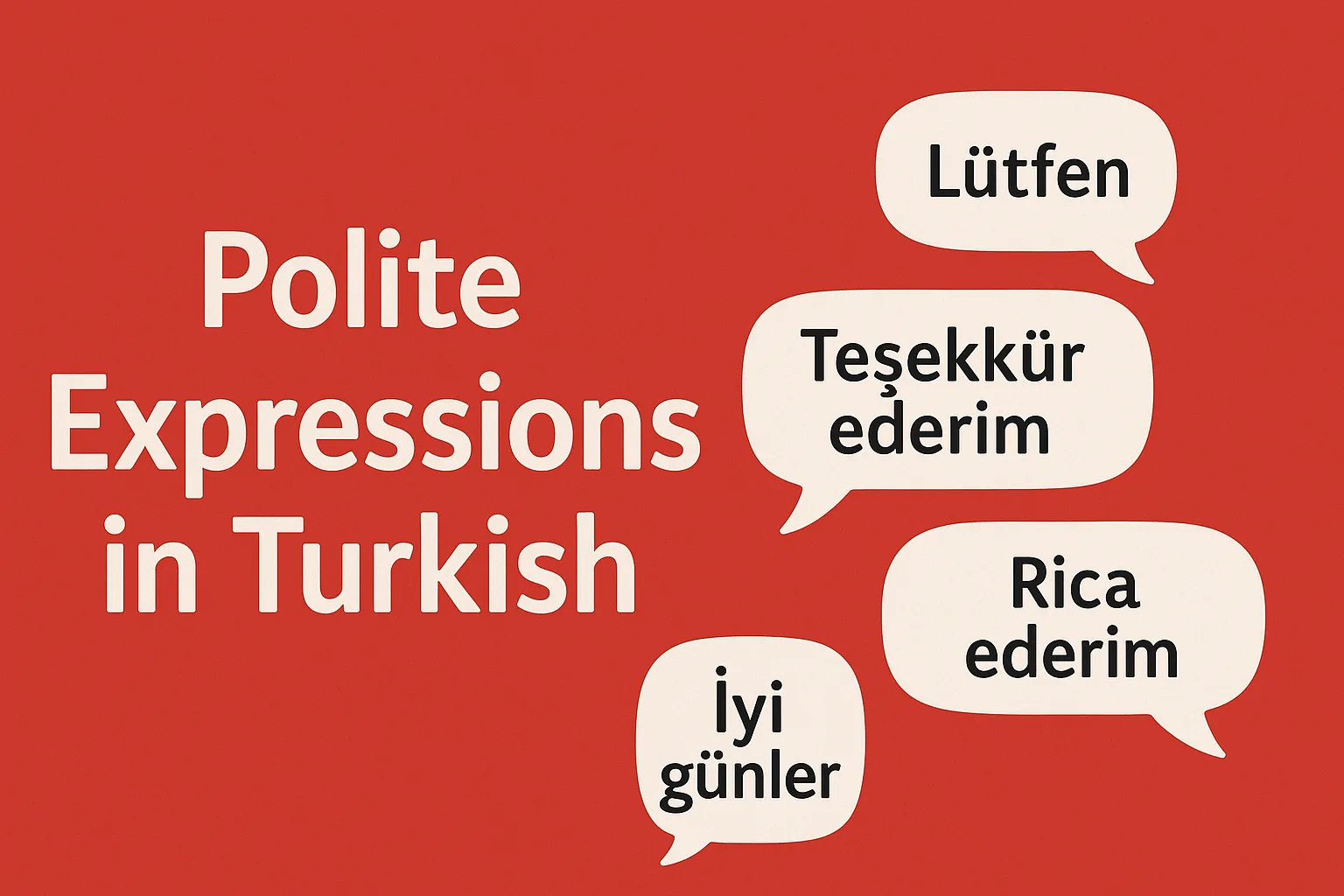
Polite Turkish is not a “bonus skill.” It is the default setting of everyday interaction, especially with new people. A few well-chosen polite expressions in Turkish can make your speech feel calm, respectful, and natural—like a door that opens smoothly instead of sticking. Quick Start: Polite Expressions You Can Use Today Lütfen (please) — a … Read more

This website uses cookies to improve your experience. Learn more.