French Loanwords in Turkish: Common Examples and Their Meanings

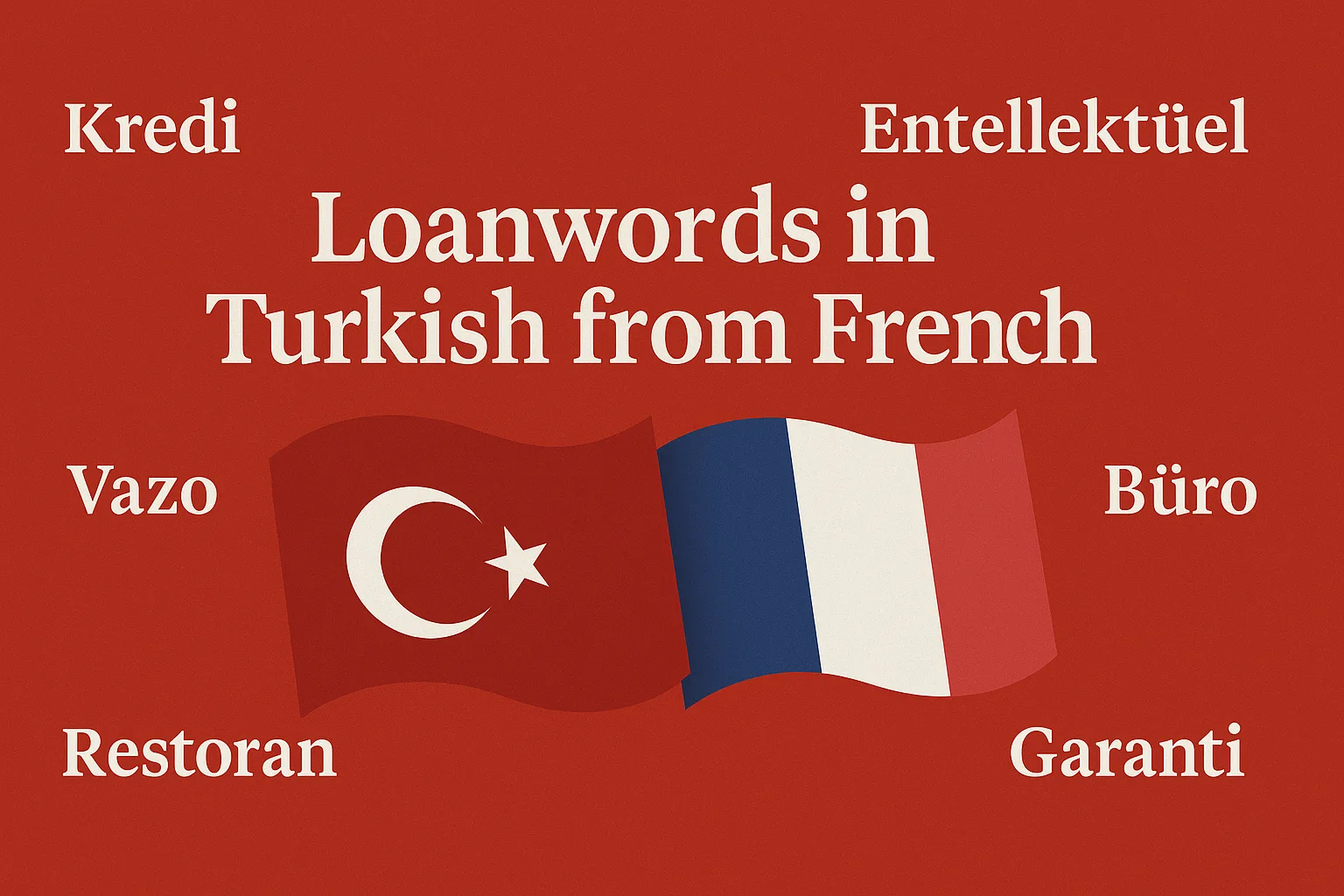
Loanwords in Turkish from French

French loanwords in Turkish are not a curiosity; they are a working layer of modern vocabulary. Many entered Turkish during periods when French carried prestige in education, administration, publishing, and urban life. The result is a set of words that often feel “native” today—pronounced, spelled, and used in a distinctly Turkish way. What This Topic … Read more

Persian Loanwords in Turkish: Common Words and Historical Influence

Loanwords in Turkish from Persian

In modern Turkish, Persian loanwords are not museum pieces. They are living vocabulary used in daily speech, literature, media, and professional writing. Understanding Persian-derived words in Turkish helps readers spot meaning faster, learn word families, and recognize the historical layers that shaped Turkey Turkish. Quick Scan What it is: Loanwords are words borrowed from another … Read more

Advanced Turkish Grammar Concepts Explained with Examples

Advanced Turkish Grammar Concepts

Advanced Turkish grammar brings together several core systems of the language – vowel harmony, rich tense–aspect–mood marking, verb voice and dense subordinate clauses. Understanding how these pieces interact helps learners move from correct sentences to naturally structured Turkish. At higher levels, focus shifts from single rules to how rules combine. The aim here is to … Read more

Common Turkish Sentence Patterns for Beginners with Examples

Common Turkish Sentence Patterns

Common Turkish sentence patterns give learners ready-made templates for building clear, natural sentences. By focusing on a few high-frequency structures, you can move from single words to full ideas in everyday Turkish much faster. Basic Turkish Word Order (SOV) Modern Turkish is typically a Subject–Object–Verb (SOV) language: the verb usually comes at the end of … Read more

Most Common Turkish Conjunctions and How to Use Them in Sentences

Common Turkish Conjunctions

Overview Of Turkish Conjunctions Turkish conjunctions (in Turkish bağlaçlar) are short, fixed words that connect words, phrases and clauses. Mastering the most common Turkish conjunctions such as ve, ama, çünkü or eğer helps you build longer sentences, express reasons and contrasts, and make your Turkish sound more natural. Key points about Turkish conjunctions (bağlaçlar): Reference … Read more

How Plurals Work in Turkish: -lar/-ler Rules with Examples

Turkish Plurals and How They Work

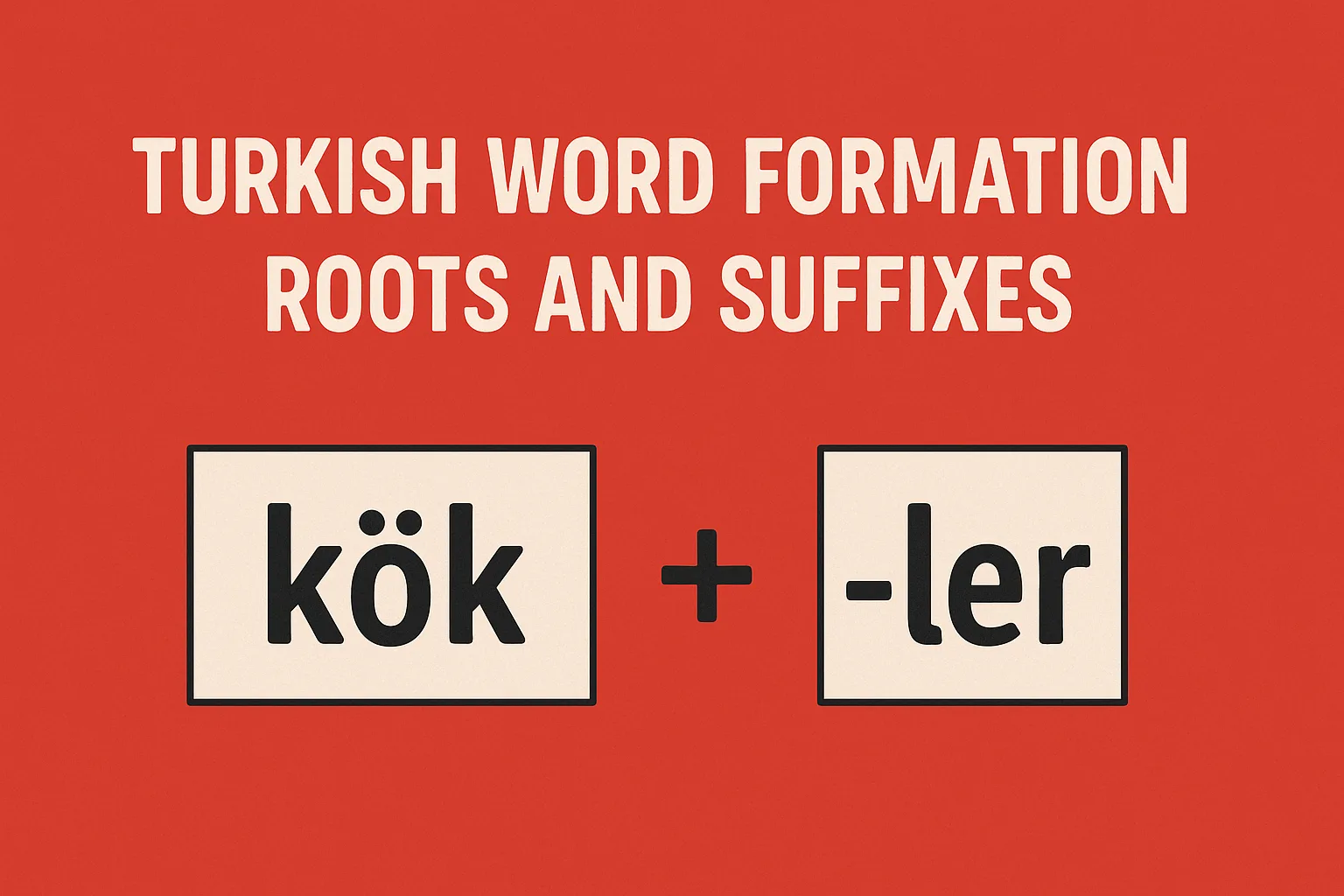
Turkish plurals are built with one highly regular ending, the suffix -lar / -ler. Once you understand how this small ending interacts with vowel harmony, word order and meaning, forming plural nouns in Turkish becomes simple and quite systematic. You can think of the plural suffix as a small, flexible “tag” that you attach to … Read more

Turkish Cases (Hal Ekleri): Accusative, Dative, Locative, and Ablative Explained

Turkish Case System

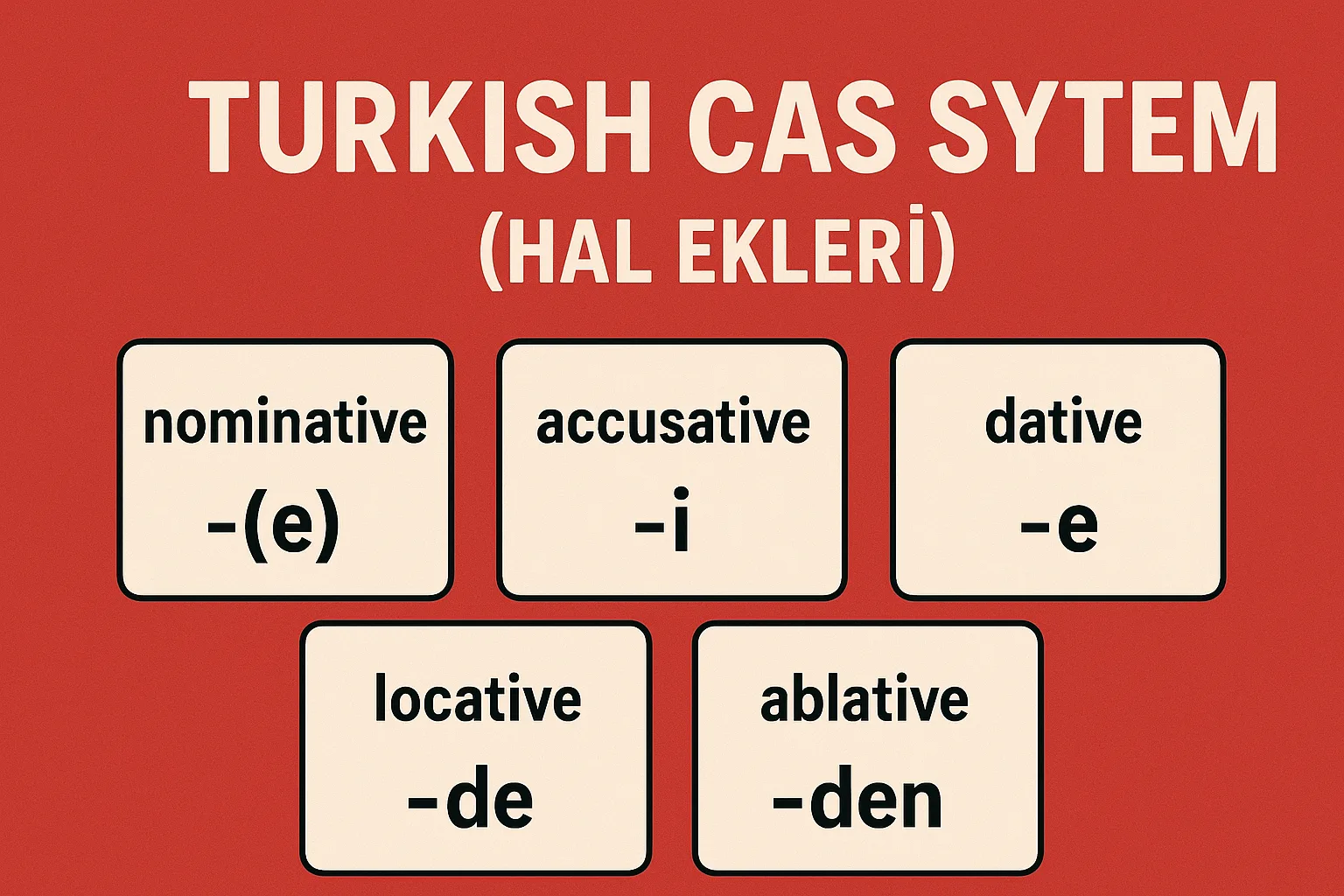
Overview Of The Turkish Case System Turkish case endings (hâl ekleri) are suffixes attached to nouns, pronouns and some noun phrases to show their grammatical role in the sentence. In modern Turkish, these endings often replace English prepositions such as in, at, to, from, of, with, so understanding them is essential for clear communication. Language … Read more

Turkish Verb Tenses: Present, Past, Future, and Reported Past Explained

Turkish Verb Tenses Overview

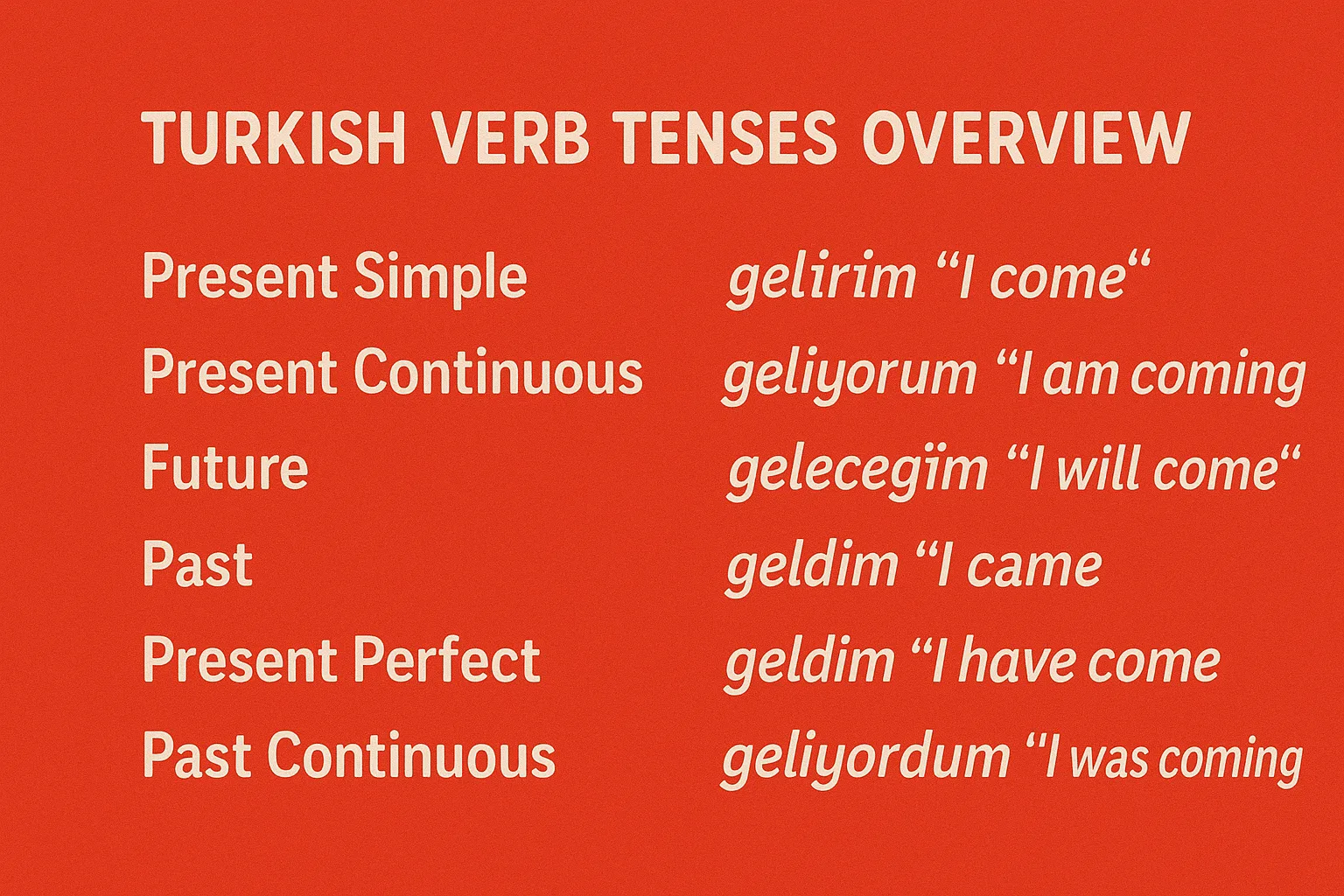
Key Features Of Turkish Verb Tenses Turkish verb tenses are built almost entirely with suffixes. A single verb form can carry tense, aspect, mood, negation, question and person at once, which makes Turkish look dense but actually very systematic when you understand the patterns. Agglutinative structure: verb stem + tense suffix + personal ending (and … Read more

How to Pronounce Turkish Words Correctly: Sounds, Stress, and Common Rules

Turkish Pronunciation GuideTurkish Pronunciation Guide

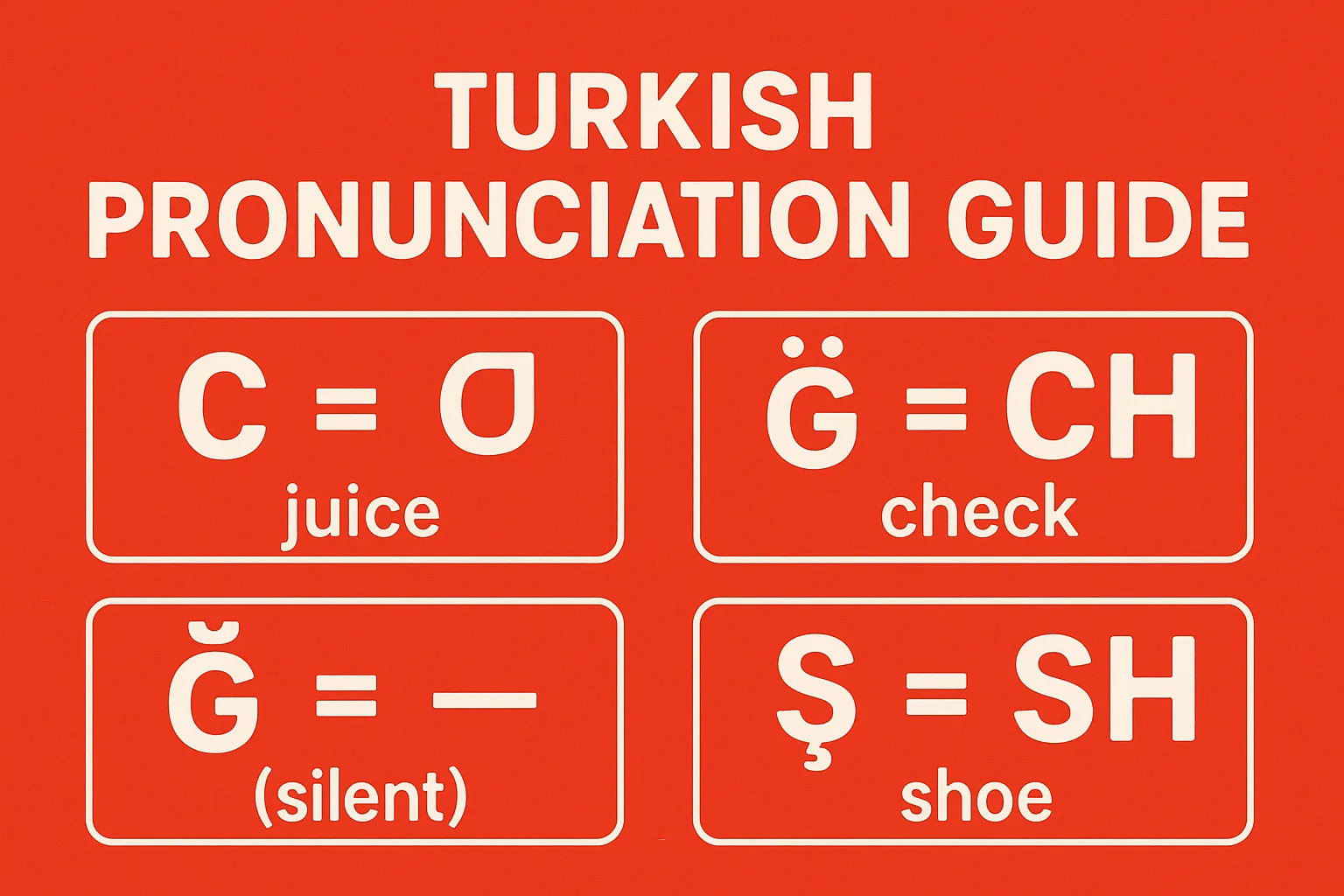
Overview Of Turkish Pronunciation Turkish has a highly regular sound system where words are written almost exactly as they are pronounced, which makes it very friendly for learners. Each letter normally has one stable sound, and spelling exceptions are rare compared with many other languages. Once you understand the core rules about vowels, consonants and … Read more

Turkish Consonant Harmony and Softening Rules for Beginners

Turkish Consonant Harmony and Softening

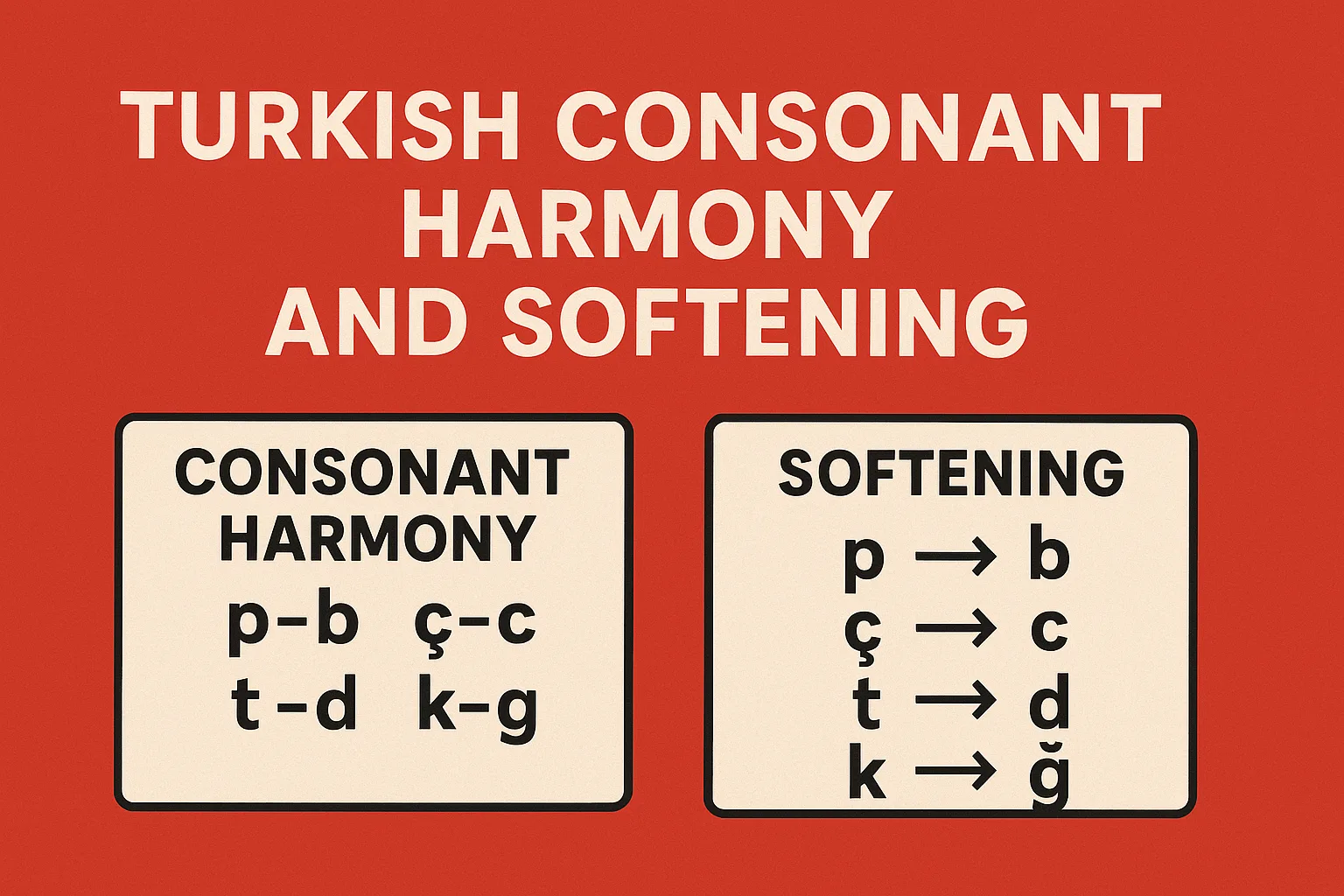
Overview Turkish consonant harmony and consonant softening describe how Turkish consonants adjust their voicing and strength so that words and suffixes sound smooth together. These regular sound patterns are not decoration; they are essential for correct spelling, pronunciation and natural fluency in modern Turkish. Consonant harmony (ünsüz uyumu) mainly means: Suffix consonants like -d-, -c-, … Read more

This website uses cookies to improve your experience. Learn more.